







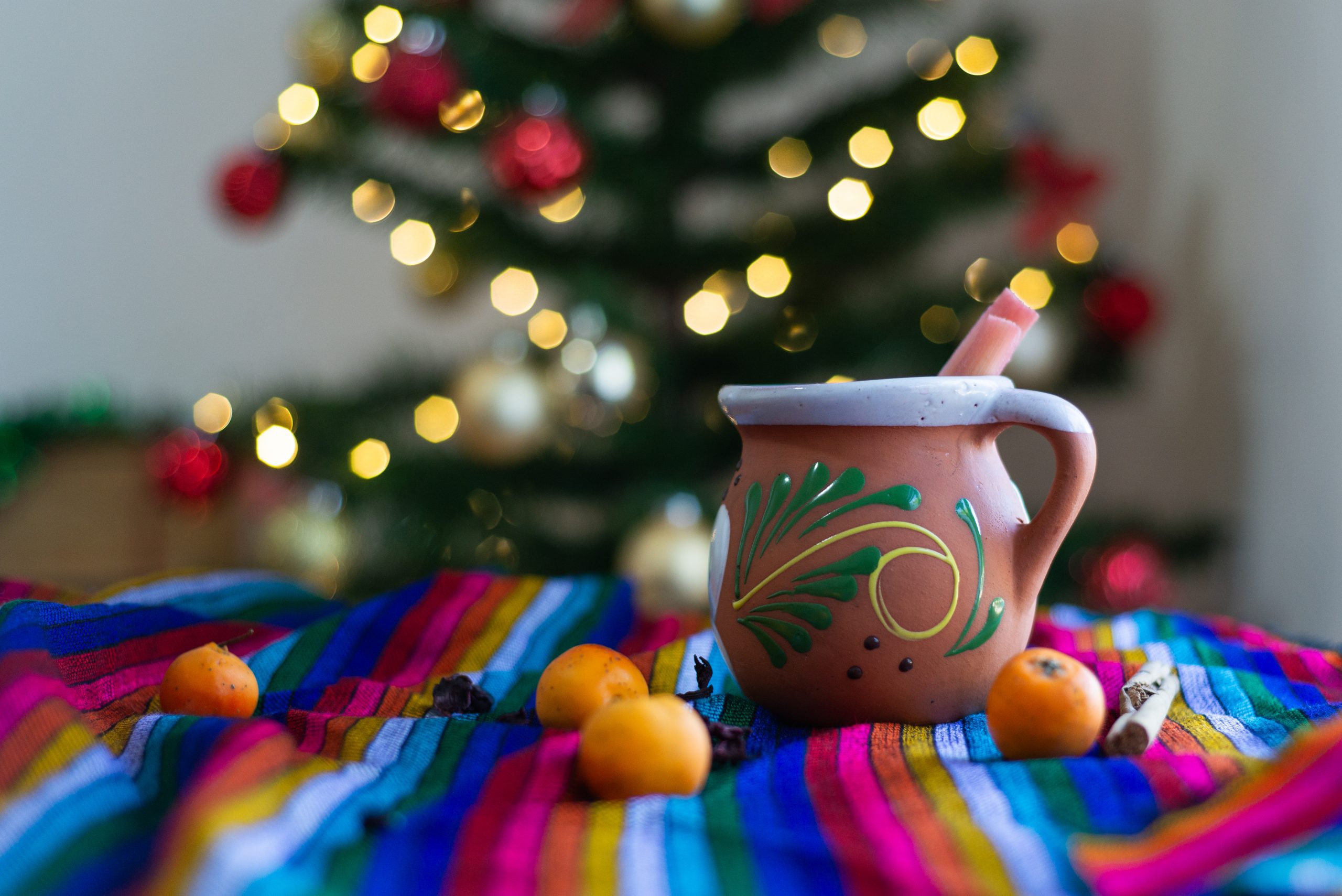
December in Mexico is filled with color, faith and celebration. From the Day of the Virgin of Guadalupe to Las Posadas and Christmas Eve, these beloved holidays appear deeply Catholic – yet their origins reach far back into the Indigenous and early colonial past, including the lands that would one day become Texas.
Long before the Spanish missions and presidios appeared north of the Rio Grande, Indigenous peoples such as the Coahuiltecan, Caddo and Karankawa held midwinter ceremonies that honored the turning of the seasons and the renewal of life. These gatherings often included feasting, music and offerings to the spirits and the natural world traditions that paralleled the winter solstice celebrations of Mesoamerica, where the Aztecs honored the rebirth of the sun through the god Huitzilopochtli.
When Spanish colonists and missionaries arrived in what was then northern New Spain, they brought Catholic feast days that merged with Indigenous customs. In early Tejas, mission communities observed Las Posadas between Dec. 16 and 24, reenacting Mary and Joseph’s search for shelter. The processions included candlelight, songs and local foods influenced by Native agriculture, such as corn, squash and wild game.
The Feast of the Virgin of Guadalupe, celebrated on Dec. 12, also spread through the missions of San Antonio, Goliad and Nacogdoches. To Indigenous converts, the Virgin’s image resonated with familiar earth-mother figures like Tonantzin, the Aztec goddess once worshipped at Tepeyac Hill in central Mexico. Her dark skin and celestial symbols reflected both Catholic and Indigenous cosmologies, allowing the faith to take root in local communities.
As Spanish, Indigenous and later Mexican traditions blended, December in old Texas became a season of light, gratitude and renewal, a mix of Catholic devotion, Native reverence for nature and communal feasting that still echoes in the region’s Christmas customs today.
Though modern celebrations often focus on church services and family gatherings, the heart of the season remains the same: a recognition of life’s return after darkness, a prayer for balance and blessing in the new year, and a reminder that the land’s oldest traditions still shape its most joyful time of year.